July 30, 2026 · 3 min read · By Edwin R
Fighting Doomscrolling Through Low-Stimulation
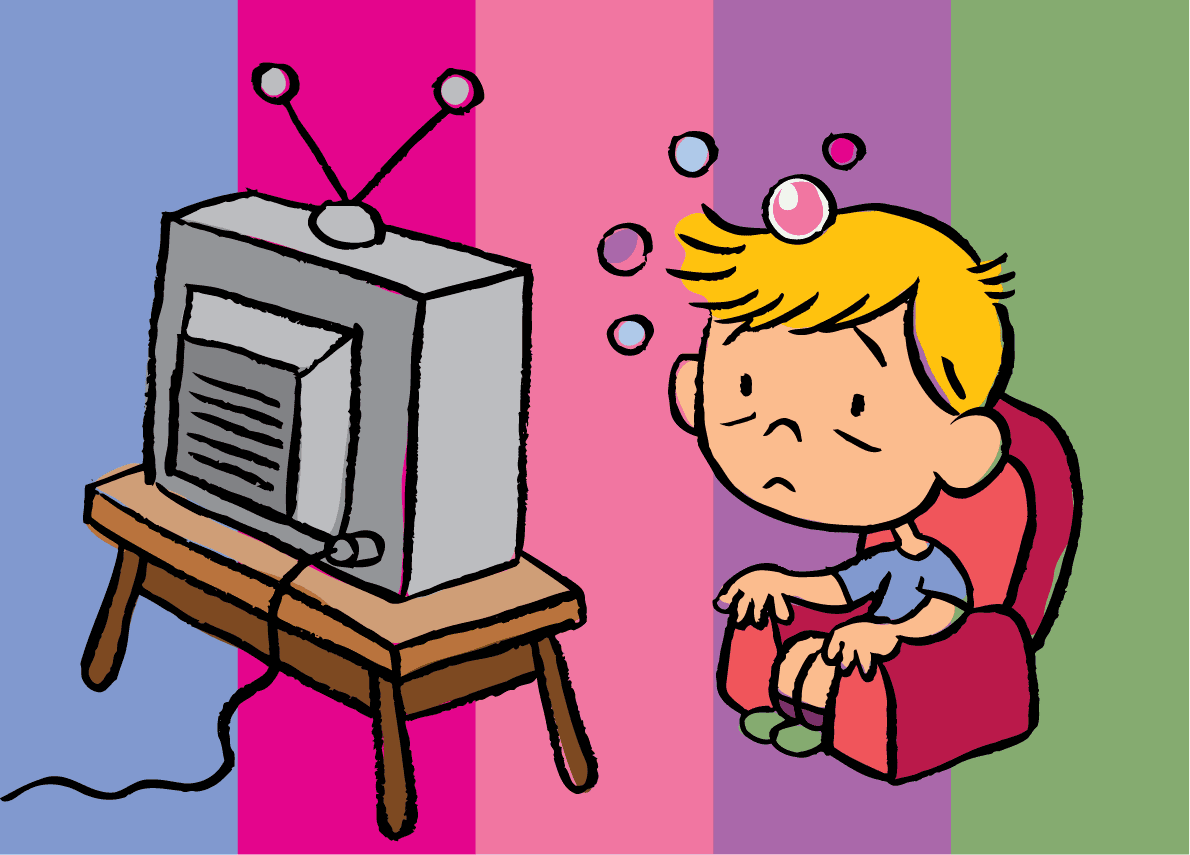
Whenever we are tired from a long day of school or work we sometimes simply want to turn off our brains and go on our devices. We might scroll through social media to watch hilarious videos. While many may be under 30 seconds, before you know it, hours have passed by and your brain is feeling more overwhelmed than ever. What you may be experiencing is overstimulation, which Healthline describes as a “mix of sensory, emotional, and mental input.” This can occur to any one of any age. Being overstimulated can be very distressing, causing unwanted behaviors and emotions. One may experience a headache while another may feel agitated by the slightest inconvenience. Imagine being in your room working on a pile of homework on your desk as your lamp flickers every so often. You hear loud music blasting against the walls from the next room over and the air conditioning is broken so the air is hot. You can’t seem to concentrate and every second that passes you get more and more frustrated that you can’t answer the question in front of you. This is what overstimulation feels like. Your brain is running from all the various external stimuli occurring at once. A major contributor to this experience can be the very device you keep in your pocket. Technology has become an essential part of everyday life, shaping how people learn, communicate and entertain themselves. As new generations grow up surrounded by developing smartphones, tablets and computers, they are developing digital skills at an early age and becoming very familiar with social media platforms. While these technologies provide valuable opportunities for learning and connection, they also expose us to an endless stream of fast-paced, highly stimulating content. In many cases, people tend to “doomscroll” through social media as a means to settle down and relax. However, if not balanced properly, this activity can be detrimental to your mind. One term that has recently gained popularity online is "brainrot,” which describes the feeling of becoming mentally drained after spending long periods consuming repetitive, fast-paced online content. It refers to the experience of endlessly scrolling through videos or “memes” until it becomes difficult to focus on other tasks or think about anything else. Researchers have become increasingly interested in how constant exposure to highly stimulating digital media may affect one’s attention, self-control and mental well-being. A journal published by the National Library of Medicine suggests that excessive use of short form digital content may contribute to reduced attention span, increased impulsive behavior, and difficulties with emotional regulation, particularly among children and adolescents whose brains are still developing. While more research is needed to understand the long term effects, these findings highlight the importance of developing healthy digital habits rather than relying on constant stimulation. Practicing low-stimulation activities is a solution to this issue. This isn’t to say that we should ban technology from children altogether. But, to find a healthy balance for technology use and practice low stimulation activities so that our brains can have time to rest. Mono-Moment recommends many low stimulation practices such as taking a walk without headphones, reading a paper book, coloring with a single-pen, and sitting near a window without any devices. These actions don’t require you to think deeply nor overload your head. They also allow you to pace yourself slower than usual, relieving the pressure to be quick and ready. When we minimize the amount of visual, auditory, and mental input, we can allow our brains to catch up and process our senses. Personally, I find crocheting during rainy days to be soothing for my mind. All my focus is on threading together the yarn and the sound of the raindrops hitting the window. There is no loud music nor bright visuals in front of me that make me feel overwhelmed. As such, I often feel refreshed and proactive afterwards. It is important that you practice these activities in the correct environments. For instance, low lighting, quiet, and scent-free areas are optimal. Through low-stimulation activities, you can ensure your mind stays clear and healthy. We are living in a time where society relies on technology for communication, education, and entertainment. However, at times it can be too much. Yet, instead of outright rejecting screens altogether, we can embrace a healthier relationship with technology through low-stimulation practices. Before you doomscroll on your phone, think about another calming activity you can do that won’t exert much from your body and mind. We can enjoy the funny videos on our phones while also remembering to keep our brains sharp.
